
Minimal invasive spine surgery
Minimal invasive spine surgery
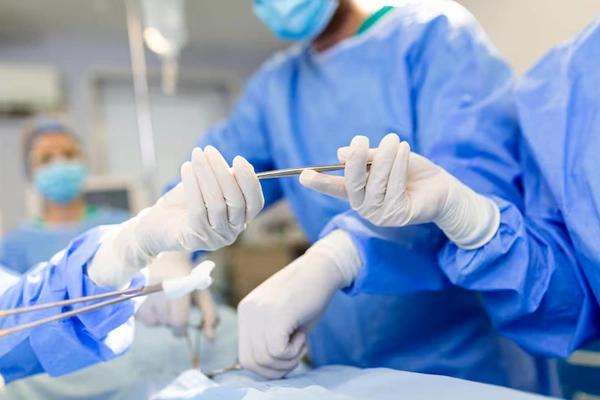
Minimally Invasive Spine Surgery (MISS) is an advanced surgical technique used to treat a wide range of spinal disorders through small incisions with minimal disruption to the surrounding muscles and tissues. Compared to traditional open spine surgery, minimally invasive procedures often result in less pain, reduced blood loss, shorter hospital stays, and faster recovery. If you are looking for Minimally Invasive Spine Surgery in Sonipat, Dr. Shashikant Sen provides expert evaluation and advanced surgical care using modern techniques designed to achieve the best possible outcomes while preserving spinal function.
With over 15 years of overall medical experience, including 7 years as a Neurosurgery specialist, Dr. Shashikant Sen specializes in treating cervical, thoracic, and lumbar spine disorders using evidence-based surgical approaches. Every patient undergoes a thorough clinical assessment and advanced imaging to determine whether minimally invasive surgery is the most suitable treatment option.
Located at SH 20, Murthal Road, Sector 17, Murthal Khas, Sonipat, Haryana, Dr. Shashikant Sen offers personalized spine care, from diagnosis and surgery to rehabilitation and long-term follow-up.
What is Minimally Invasive Spine Surgery?
Minimally Invasive Spine Surgery (MISS) is a modern technique that uses specialized instruments, high-definition microscopes, endoscopes, or imaging guidance to perform spinal procedures through small incisions instead of large open surgical cuts.
The goal is to treat the spinal condition while minimizing damage to muscles, ligaments, and surrounding healthy tissues. This approach may help reduce postoperative discomfort and promote quicker recovery in appropriately selected patients.
Not all spinal conditions are suitable for minimally invasive surgery. The choice of procedure depends on the patient's diagnosis, anatomy, and overall health.
Conditions Treated with Minimally Invasive Spine Surgery
Dr. Shashikant Sen performs minimally invasive procedures for several spinal conditions, including:
- Slipped (Herniated) Disc
- Sciatica
- Cervical Disc Herniation
- Lumbar Disc Herniation
- Spinal Stenosis
- Degenerative Disc Disease
- Spondylolisthesis
- Nerve Compression
- Spinal Fractures (Selected Cases)
- Spinal Infections (Selected Cases)
- Certain Spinal Tumors
- Chronic Neck Pain
- Chronic Back Pain
Treatment is customized based on the patient's symptoms, imaging findings, and overall clinical condition.
Symptoms That May Require Surgery
Minimally invasive spine surgery may be considered if you experience:
- Persistent back pain
- Chronic neck pain
- Pain radiating to the arms or legs
- Sciatica
- Numbness or tingling
- Muscle weakness
- Difficulty walking
- Loss of balance
- Difficulty standing for long periods
- Reduced mobility
- Persistent symptoms despite medications and physiotherapy
A detailed evaluation is essential before deciding on surgical treatment.
Diagnosis Before Surgery
Dr. Shashikant Sen performs a comprehensive assessment that may include:
- Detailed medical history
- Physical examination
- Neurological assessment
- MRI Scan
- CT Scan
- Digital X-rays
- Nerve conduction studies (if required)
- Blood investigations
- Pre-anesthetic evaluation
These tests help determine whether minimally invasive surgery is appropriate for your condition.
Types of Minimally Invasive Spine Surgery
Depending on the diagnosis, Dr. Shashikant Sen may recommend:
Microdiscectomy
Removal of a herniated disc through a small incision to relieve nerve compression.
Minimally Invasive Laminectomy
Removal of a small portion of bone to relieve pressure on the spinal cord or nerves.
Minimally Invasive Spinal Fusion
Stabilization of the spine using smaller incisions and specialized instruments.
Endoscopic Spine Surgery
A minimally invasive technique using an endoscope for selected spinal conditions.
Percutaneous Stabilization Procedures
Small-incision procedures used for selected spinal fractures and instability.
Benefits of Minimally Invasive Spine Surgery
For suitable patients, Minimally Invasive Spine Surgery in Sonipat offers several potential advantages:
- Smaller incisions
- Less muscle damage
- Reduced blood loss
- Less postoperative pain
- Lower risk of infection
- Shorter hospital stay
- Faster recovery
- Minimal scarring
- Earlier return to daily activities
- Improved surgical precision
The benefits vary depending on the type of surgery and the patient's individual condition.
Recovery After Minimally Invasive Spine Surgery
Recovery is generally faster than with traditional open spine surgery, although individual recovery times vary.
Postoperative care may include:
- Pain management
- Early mobilization
- Physiotherapy
- Walking exercises
- Core strengthening
- Posture correction
- Activity modification
- Regular follow-up visits
Following the rehabilitation program helps restore strength, flexibility, and long-term spinal health.
Why Choose Dr. Shashikant Sen for Minimally Invasive Spine Surgery in Sonipat?
Dr. Shashikant Sen combines extensive neurosurgical expertise with advanced minimally invasive techniques to provide high-quality spine care.
Patients choose Dr. Shashikant Sen because of:
- 15+ years of overall medical experience
- 7+ years as a Neurosurgery specialist
- Expertise in minimally invasive spine surgery
- Advanced spinal diagnostic evaluation
- Personalized surgical planning
- Modern surgical technology
- Comprehensive rehabilitation support
- Evidence-based treatment approach
- Compassionate patient care
- Commitment to restoring mobility and improving quality of life
His goal is to provide safe, effective, and individualized spine treatment while helping patients recover faster and return to an active lifestyle.
Frequently Asked Questions (FAQ)
1. What is minimally invasive spine surgery?
Minimally invasive spine surgery is an advanced surgical technique that uses small incisions and specialized instruments to treat spinal disorders with less disruption to surrounding tissues.
2. What conditions can be treated with minimally invasive spine surgery?
It can be used for selected cases of slipped discs, sciatica, spinal stenosis, nerve compression, degenerative disc disease, spinal fractures, and other spinal disorders.
3. Is minimally invasive spine surgery safer than open surgery?
For appropriately selected patients, minimally invasive surgery may offer benefits such as reduced blood loss, less pain, shorter hospital stays, and quicker recovery. The choice of surgery depends on the specific condition.
4. How long is the recovery after minimally invasive spine surgery?
Recovery varies depending on the procedure and the patient’s overall health. Many patients resume light activities within a few weeks, while full recovery may take several months.
5. Will I need physiotherapy after surgery?
Yes. Physiotherapy is often recommended to improve strength, flexibility, posture, and overall spinal function after surgery.
6. Am I a candidate for minimally invasive spine surgery?
A detailed consultation, neurological examination, and imaging tests such as MRI or CT scans are required to determine whether minimally invasive spine surgery is the right treatment option for your condition.


