
Spine Surgery
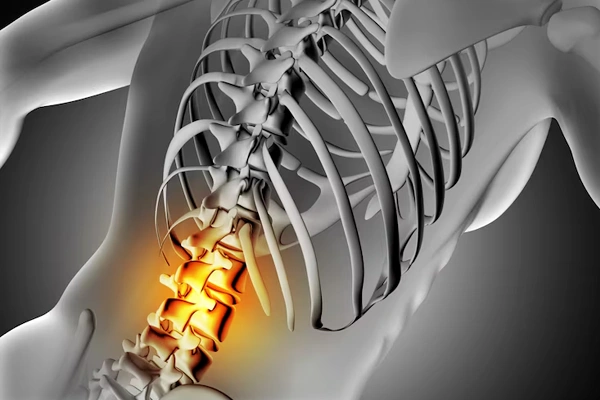
Spine Surgery
Spine surgery is a specialized procedure performed to treat conditions affecting the spinal cord, vertebrae, intervertebral discs, and spinal nerves. It is recommended when non-surgical treatments such as medications, physiotherapy, and lifestyle modifications fail to relieve symptoms or when there is significant nerve compression, spinal instability, or neurological deficits. If you are looking for Spine Surgery in Sonipat, Dr. Shashikant Sen offers advanced surgical care using modern techniques to help relieve pain, restore mobility, and improve quality of life.
With over 15 years of overall medical experience, including 7 years as a Neurosurgery specialist, Dr. Shashikant Sen specializes in diagnosing and treating a wide range of spinal disorders. His patient-centered approach combines accurate diagnosis, evidence-based treatment, and advanced surgical technology to achieve the best possible outcomes while minimizing recovery time whenever appropriate.
Located at SH 20, Murthal Road, Sector 17, Murthal Khas, Sonipat, Haryana, Dr. Shashikant Sen provides comprehensive evaluation, minimally invasive spine procedures, complex spinal surgery, and postoperative rehabilitation tailored to each patient's condition.
What is Spine Surgery?
Spine surgery refers to various surgical procedures performed to treat disorders affecting the spine and nervous system. The goal of surgery is to relieve pressure on the spinal cord or nerves, stabilize the spine, correct deformities, remove tumors, or repair injuries.
Modern spine surgery includes both traditional open procedures and minimally invasive techniques that use smaller incisions, causing less tissue damage and promoting faster recovery in suitable patients.
Not every patient with back or neck pain requires surgery. A detailed evaluation helps determine whether surgical treatment is the most appropriate option.
Conditions Treated with Spine Surgery
Dr. Shashikant Sen performs spine surgery for a variety of spinal conditions, including:
- Slipped (Herniated) Disc
- Sciatica
- Cervical Disc Herniation
- Lumbar Disc Herniation
- Spinal Stenosis
- Cervical Myelopathy
- Degenerative Disc Disease
- Spondylolisthesis
- Spinal Fractures
- Spinal Cord Compression
- Spinal Tumors
- Spinal Infections
- Scoliosis and Spinal Deformities
- Spine Trauma
- Nerve Compression Disorders
Each patient receives a personalized treatment plan based on their diagnosis, symptoms, and overall health.
Symptoms That May Require Spine Surgery
Surgery may be considered if you experience:
- Persistent neck or back pain
- Pain radiating to the arms or legs
- Numbness or tingling
- Muscle weakness
- Difficulty walking
- Loss of balance
- Reduced mobility
- Difficulty standing for long periods
- Loss of bladder or bowel control
- Progressive neurological symptoms
- Severe spinal deformity
- Persistent pain despite conservative treatment
Prompt medical evaluation helps prevent permanent nerve damage and improves treatment outcomes.
Diagnosis Before Spine Surgery
Before recommending surgery, Dr. Shashikant Sen performs a comprehensive assessment that may include:
- Detailed medical history
- Physical examination
- Neurological assessment
- X-rays
- MRI Scan
- CT Scan
- Nerve conduction studies (when indicated)
- Blood investigations
- Pre-anesthetic evaluation
These investigations help determine the exact cause of symptoms and identify the most appropriate surgical approach.
Types of Spine Surgery
Depending on the condition, Dr. Shashikant Sen may perform:
Microdiscectomy
Removal of a herniated disc pressing on a spinal nerve.
Laminectomy
Removal of part of the vertebral bone to relieve pressure on the spinal cord or nerves.
Spinal Fusion
Joining two or more vertebrae to stabilize the spine.
Decompression Surgery
Relieving pressure caused by spinal stenosis or nerve compression.
Tumor Removal Surgery
Removal of benign or malignant tumors affecting the spine or spinal cord.
Fracture Stabilization
Surgical treatment for unstable spinal fractures caused by trauma or osteoporosis.
Minimally Invasive Spine Surgery
Selected patients may benefit from minimally invasive procedures that involve smaller incisions, less blood loss, reduced postoperative pain, and faster recovery.
Benefits of Spine Surgery
For appropriately selected patients, Spine Surgery in Sonipat offers several benefits:
- Relief from chronic pain
- Reduced nerve compression
- Improved mobility
- Restoration of spinal stability
- Better neurological function
- Correction of spinal deformities
- Prevention of further nerve damage
- Improved quality of life
- Faster recovery with minimally invasive techniques (when suitable)
- Long-term symptom relief
The choice of surgical technique depends on the patient's condition and clinical findings.
Recovery After Spine Surgery
Recovery varies depending on the type of surgery and the patient's overall health.
Postoperative rehabilitation may include:
- Pain management
- Physiotherapy
- Walking exercises
- Muscle strengthening
- Posture correction
- Activity modification
- Lifestyle guidance
- Regular follow-up appointments
Following the recommended rehabilitation program helps improve healing, restore mobility, and reduce the risk of recurrence.
Why Choose Dr. Shashikant Sen for Spine Surgery in Sonipat?
Dr. Shashikant Sen combines extensive neurosurgical experience with modern spine surgery techniques to provide comprehensive care for patients with spinal disorders.
Patients choose Dr. Shashikant Sen because of:
- 15+ years of overall medical experience
- 7+ years as a Neurosurgery specialist
- Expertise in complex spine surgery
- Advanced diagnostic evaluation
- Personalized treatment plans
- Modern minimally invasive spine techniques
- Comprehensive postoperative rehabilitation
- Compassionate patient-centered care
- Ethical and evidence-based treatment
- Commitment to restoring spinal function and quality of life
His goal is to provide safe, effective, and individualized spine care, helping patients return to their daily activities with reduced pain and improved mobility.
Frequently Asked Questions (FAQ)
1. When is spine surgery necessary?
Spine surgery is recommended when conservative treatments fail, or when there is severe nerve compression, spinal instability, spinal fractures, tumors, deformities, or progressive neurological symptoms.
2. Is minimally invasive spine surgery suitable for everyone?
No. Minimally invasive surgery is appropriate for selected patients. The most suitable surgical approach depends on the type and severity of the spinal condition.
3. How long does recovery take after spine surgery?
Recovery depends on the procedure performed and the patient's overall health. Many patients resume light activities within a few weeks, while complete recovery may take several months.
4. Will I need physiotherapy after spine surgery?
Yes. Physiotherapy is often an important part of recovery and helps restore strength, flexibility, mobility, and overall spinal function.
5. Can spine surgery relieve nerve pain?
Yes. Spine surgery is often performed to relieve pressure on compressed nerves, which can reduce pain, numbness, tingling, and weakness in appropriately selected patients.
6. How do I know if I need spine surgery?
A detailed consultation with a neurosurgeon, along with imaging tests such as MRI or CT scans, helps determine whether surgery is the best treatment option for your condition.


