
Spine injury
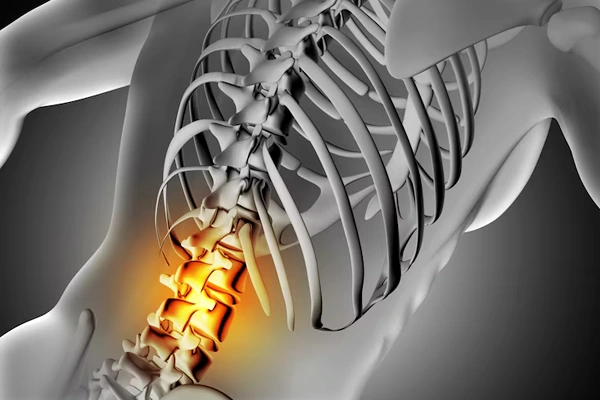
Spine injury
A spine injury is a serious medical condition that can affect the vertebrae, spinal cord, nerves, ligaments, or discs, leading to pain, weakness, numbness, and reduced mobility. Spine injuries commonly occur due to road traffic accidents, falls, sports injuries, workplace accidents, or direct trauma. While some injuries are mild and respond to conservative treatment, others require immediate neurosurgical intervention to prevent permanent neurological damage. If you are looking for Spine Injury Treatment in Sonipat, Dr. Shashikant Sen provides expert diagnosis, advanced treatment, and comprehensive rehabilitation for all types of spinal injuries.
With over 15 years of overall medical experience, including 7 years as a Neurosurgery specialist, Dr. Shashikant Sen specializes in the diagnosis and management of traumatic spine injuries, spinal fractures, spinal cord injuries, slipped discs, and nerve compression disorders. Using advanced imaging and evidence-based treatment techniques, he develops personalized treatment plans aimed at relieving pain, restoring spinal stability, and improving neurological function.
Located at SH 20, Murthal Road, Sector 17, Murthal Khas, Sonipat, Haryana, Dr. Shashikant Sen offers comprehensive care for patients with acute and chronic spine injuries, helping them recover safely and regain their quality of life.
What is a Spine Injury?
A spine injury refers to damage involving the bones (vertebrae), intervertebral discs, spinal cord, nerves, ligaments, or muscles of the spine. The injury may affect the cervical (neck), thoracic (upper back), lumbar (lower back), or sacral region of the spine.
Depending on the severity, spine injuries may cause mild pain, instability, nerve compression, or even paralysis. Early diagnosis and appropriate treatment are essential to minimize complications and support recovery.
Common Causes of Spine Injuries
Spinal injuries can result from various accidents and medical conditions, including:
- Road traffic accidents
- Falls from height
- Sports injuries
- Workplace accidents
- Heavy lifting injuries
- Direct trauma
- Osteoporotic fractures
- Violence or assault
- Degenerative spinal conditions
- High-impact recreational activities
Recognizing the cause helps determine the most effective treatment strategy.
Symptoms of Spine Injury
Symptoms vary depending on the location and severity of the injury. Common symptoms include:
- Severe neck or back pain
- Pain radiating to the arms or legs
- Numbness or tingling
- Muscle weakness
- Difficulty walking
- Loss of balance
- Reduced range of motion
- Muscle spasms
- Difficulty standing
- Loss of bladder or bowel control
- Paralysis (in severe injuries)
- Deformity of the spine
Emergency medical care is essential if symptoms involve weakness, loss of sensation, or bladder and bowel dysfunction.
Types of Spine Injuries Treated
Dr. Shashikant Sen provides comprehensive treatment for a wide range of spinal injuries, including:
Spinal Fractures
Fractures of the cervical, thoracic, or lumbar spine caused by trauma or osteoporosis.
Spinal Cord Injury
Damage to the spinal cord that may result in weakness, numbness, or paralysis.
Cervical Spine Injury
Injuries affecting the neck region, including fractures, ligament injuries, and disc damage.
Lumbar Spine Injury
Lower back injuries involving discs, nerves, or vertebrae.
Thoracic Spine Injury
Trauma affecting the middle portion of the spine.
Ligament and Soft Tissue Injuries
Damage to spinal ligaments, muscles, and supporting tissues.
Traumatic Disc Herniation
Disc injuries causing nerve compression and severe pain after trauma.
Diagnosis of Spine Injury
A detailed evaluation is necessary to determine the extent of injury and plan treatment.
Dr. Shashikant Sen may recommend:
- Medical history
- Physical examination
- Neurological assessment
- Spine X-rays
- MRI Scan
- CT Scan
- Spinal stability assessment
- Blood investigations (if required)
These investigations help identify fractures, spinal cord injuries, nerve compression, and ligament damage.
Spine Injury Treatment Options
Treatment depends on the severity, location, and type of spinal injury.
Non-Surgical Treatment
Many stable injuries can be treated with:
- Pain medications
- Anti-inflammatory medicines
- Neck or back braces
- Physiotherapy
- Activity modification
- Bed rest (when appropriate)
- Lifestyle counseling
Minimally Invasive Spine Procedures
Selected patients may benefit from minimally invasive techniques that reduce pain and speed recovery.
Spine Surgery
Surgery may be necessary when there is:
- Spinal instability
- Severe fractures
- Spinal cord compression
- Progressive neurological weakness
- Nerve compression
- Persistent pain despite conservative treatment
Surgical treatment aims to stabilize the spine, relieve pressure on the spinal cord or nerves, and restore spinal alignment.
Benefits of Early Spine Injury Treatment
Seeking timely Spine Injury Treatment in Sonipat offers numerous benefits:
- Early diagnosis
- Prevention of permanent nerve damage
- Relief from pain
- Improved spinal stability
- Restoration of mobility
- Better neurological recovery
- Reduced risk of paralysis
- Faster rehabilitation
- Improved quality of life
- Personalized treatment planning
Prompt treatment significantly improves long-term functional outcomes.
Recovery and Rehabilitation
Recovery depends on the severity of the injury and the treatment provided.
Dr. Shashikant Sen develops individualized rehabilitation programs that may include:
- Physiotherapy
- Muscle strengthening
- Walking training
- Balance exercises
- Flexibility exercises
- Pain management
- Occupational therapy
- Regular neurological follow-up
A structured rehabilitation plan helps patients regain strength, mobility, and independence while reducing the risk of future complications.
Why Choose Dr. Shashikant Sen for Spine Injury Treatment in Sonipat?
Dr. Shashikant Sen is committed to delivering advanced spine care with a patient-centered approach and evidence-based treatment strategies.
Patients choose Dr. Shashikant Sen because of:
- 15+ years of overall medical experience
- 7+ years as a Neurosurgery specialist
- Expertise in spine trauma and spinal cord injuries
- Advanced diagnostic evaluation
- Personalized treatment plans
- Modern spine surgery techniques
- Comprehensive rehabilitation guidance
- Compassionate patient care
- Ethical and transparent treatment
- Focus on restoring mobility and neurological function
His objective is to provide timely intervention, reduce complications, and help patients return to active, independent lives.
Frequently Asked Questions (FAQ)
1. What are the common causes of a spine injury?
Spine injuries are commonly caused by road accidents, falls, sports injuries, workplace accidents, heavy lifting, and direct trauma.
2. When should I seek emergency care for a spine injury?
Seek immediate medical attention if you experience severe back or neck pain, numbness, weakness, difficulty walking, or loss of bladder or bowel control after an injury.
3. How is a spine injury diagnosed?
Diagnosis involves a physical examination, neurological assessment, and imaging studies such as X-rays, MRI, and CT scans to assess the extent of the injury.
4. Is surgery always required for spine injuries?
No. Many stable spine injuries can be treated with medications, braces, physiotherapy, and rehabilitation. Surgery is recommended only when there is spinal instability, severe fractures, or significant nerve or spinal cord compression.
5. How long does recovery take after a spine injury?
Recovery varies depending on the severity of the injury and the treatment provided. Mild injuries may recover within a few weeks, while more severe injuries requiring surgery may need several months of rehabilitation.
6. Can a spine injury lead to paralysis?
Yes. Severe spinal cord injuries can result in partial or complete paralysis. Early diagnosis and prompt treatment greatly improve the chances of preserving neurological function and recovery.


