
Spinal Tumor
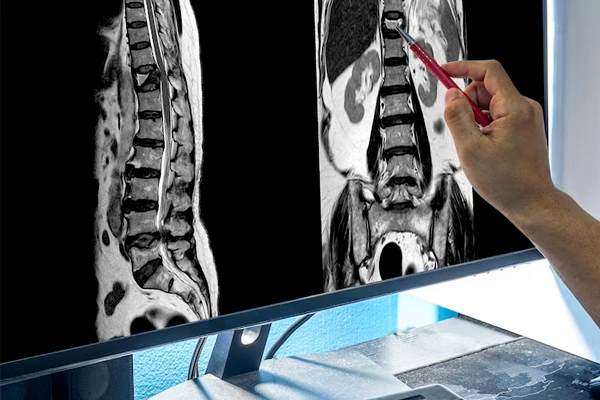
Spinal Tumor
A spinal tumor is an abnormal growth of cells that develops within or around the spinal cord, spinal nerves, or vertebral bones. Although spinal tumors are relatively uncommon, they can cause significant pain, nerve compression, weakness, numbness, and difficulty walking if left untreated. Early diagnosis and expert neurosurgical care are essential to prevent permanent neurological damage and improve treatment outcomes. If you are looking for Spinal Tumor Treatment in Sonipat, Dr. Shashikant Sen offers comprehensive evaluation, advanced diagnosis, and personalized treatment for both benign and malignant spinal tumors.
With over 15 years of overall medical experience, including 7 years as a Neurosurgery specialist, Dr. Shashikant Sen specializes in managing complex spinal disorders using modern diagnostic technology and advanced surgical techniques. His patient-focused approach emphasizes accurate diagnosis, safe tumor removal whenever appropriate, preservation of neurological function, and comprehensive rehabilitation to help patients achieve the best possible recovery.
Located at SH 20, Murthal Road, Sector 17, Murthal Khas, Sonipat, Haryana, Dr. Shashikant Sen provides specialized care for patients with spinal tumors and other neurological conditions affecting the spine.
What is a Spinal Tumor?
A spinal tumor is an abnormal mass of tissue that develops inside the spinal canal, within the spinal cord, or in the bones of the spine. These tumors may be:
- Benign (Non-Cancerous): Slow-growing tumors that usually do not spread but can compress the spinal cord or nerves.
- Malignant (Cancerous): Tumors that grow aggressively and may spread to other parts of the body.
Spinal tumors can originate in the spine (primary tumors) or spread from cancers in other organs such as the lungs, breast, prostate, or kidneys (metastatic tumors).
As the tumor enlarges, it can place pressure on the spinal cord and nerves, leading to pain, weakness, sensory loss, and mobility problems.
Common Symptoms of a Spinal Tumor
The symptoms depend on the size, location, and type of tumor. Common symptoms include:
- Persistent back pain
- Neck pain
- Pain that worsens at night
- Pain radiating to the arms or legs
- Numbness or tingling
- Muscle weakness
- Difficulty walking
- Loss of balance
- Reduced coordination
- Difficulty controlling bladder or bowel function
- Loss of sensation
- Progressive paralysis (in advanced cases)
- Unexplained weight loss (in some malignant tumors)
Persistent or worsening back pain, especially when associated with neurological symptoms, should never be ignored.
Types of Spinal Tumors Treated
Dr. Shashikant Sen provides diagnosis and treatment for various spinal tumors, including:
Intramedullary Tumors
Tumors that develop within the spinal cord, such as astrocytomas and ependymomas.
Intradural-Extramedullary Tumors
Tumors located inside the spinal covering but outside the spinal cord, including meningiomas and nerve sheath tumors.
Extradural Tumors
Tumors arising from the vertebral bones or spreading from cancers elsewhere in the body.
Metastatic Spine Tumors
Cancer that has spread from another organ to the spine.
Benign Spinal Tumors
Non-cancerous tumors that may still require treatment due to nerve compression.
Causes and Risk Factors
The exact cause of many spinal tumors remains unknown. However, certain factors may increase the risk, including:
- Genetic conditions
- Family history of tumors
- Previous radiation exposure
- Certain inherited syndromes
- Metastatic cancer from other organs
- Increasing age
Early evaluation helps identify spinal tumors before they cause irreversible neurological damage.
Diagnosis of Spinal Tumors
A detailed evaluation is essential for accurate diagnosis and treatment planning. Dr. Shashikant Sen may recommend:
- Detailed medical history
- Physical examination
- Neurological assessment
- MRI of the spine
- CT Scan
- Digital X-rays
- Contrast imaging
- Biopsy (when indicated)
- Blood investigations
Advanced imaging helps determine the tumor's size, location, and relationship to surrounding nerves and spinal structures.
Treatment Options
Treatment depends on the tumor type, size, location, and the patient's overall health.
Observation
Small, slow-growing benign tumors without significant symptoms may be monitored with regular imaging.
Medications
Certain tumors may require medications to reduce swelling or manage symptoms before definitive treatment.
Spinal Tumor Surgery
Surgery is often the preferred treatment when the tumor causes pain, neurological deficits, or spinal instability. The goal is to remove as much of the tumor as safely possible while preserving spinal cord and nerve function.
Radiation Therapy
Radiation therapy may be recommended after surgery or for tumors that cannot be completely removed.
Chemotherapy
Some malignant spinal tumors respond to chemotherapy as part of a comprehensive treatment plan.
Rehabilitation
Recovery may include:
- Physiotherapy
- Occupational therapy
- Balance training
- Strengthening exercises
- Pain management
- Neurological rehabilitation
Benefits of Early Spinal Tumor Treatment
Seeking timely Spinal Tumor Treatment in Sonipat provides several important advantages:
- Early diagnosis
- Prevention of permanent nerve damage
- Relief from chronic pain
- Preservation of spinal cord function
- Improved mobility
- Better treatment outcomes
- Reduced risk of paralysis
- Personalized treatment planning
- Comprehensive rehabilitation
- Improved quality of life
Early intervention significantly increases the chances of successful treatment and neurological recovery.
Recovery After Spinal Tumor Treatment
Recovery varies depending on the tumor type, surgery performed, and the patient's neurological status.
Dr. Shashikant Sen develops personalized recovery programs that may include:
- Pain management
- Physiotherapy
- Walking exercises
- Muscle strengthening
- Balance training
- Nutritional guidance
- Regular neurological follow-up
- MRI monitoring
Careful rehabilitation helps restore mobility, improve strength, and maximize functional recovery.
Why Choose Dr. Shashikant Sen for Spinal Tumor Treatment in Sonipat?
Dr. Shashikant Sen combines advanced neurosurgical expertise with compassionate, patient-centered care to provide comprehensive treatment for spinal tumors.
Patients choose Dr. Shashikant Sen because of:
- 15+ years of overall medical experience
- 7+ years as a Neurosurgery specialist
- Expertise in spinal tumor diagnosis and surgery
- Advanced spine and neurological evaluation
- Personalized treatment plans
- Modern neurosurgical techniques
- Comprehensive rehabilitation guidance
- Evidence-based clinical care
- Ethical and transparent treatment approach
- Commitment to preserving neurological function and improving quality of life
His goal is to provide safe, effective, and individualized care that helps patients achieve the best possible outcomes while maintaining independence and spinal health.
Frequently Asked Questions (FAQ)
1. What are the early signs of a spinal tumor?
Common symptoms include persistent back or neck pain, numbness, weakness, tingling, difficulty walking, and loss of bladder or bowel control in advanced cases.
2. Are all spinal tumors cancerous?
No. Spinal tumors can be benign (non-cancerous) or malignant (cancerous). Even benign tumors may require treatment if they compress the spinal cord or nerves.
3. How is a spinal tumor diagnosed?
Diagnosis typically involves a neurological examination, MRI, CT scan, X-rays, and sometimes a biopsy to determine the exact type of tumor.
4. Is surgery always required for a spinal tumor?
Not always. Small, slow-growing tumors may be monitored. Surgery is recommended when the tumor causes pain, neurological symptoms, or spinal instability.
5. Can a spinal tumor cause paralysis?
If left untreated, a spinal tumor may compress the spinal cord and lead to weakness or paralysis. Early diagnosis and treatment help reduce this risk.
6. What is the recovery time after spinal tumor surgery?
Recovery depends on the type of tumor, extent of surgery, and the patient's overall health. Many patients benefit from physiotherapy and rehabilitation to regain strength and mobility.


