
Spinal Deformity Scoliosis
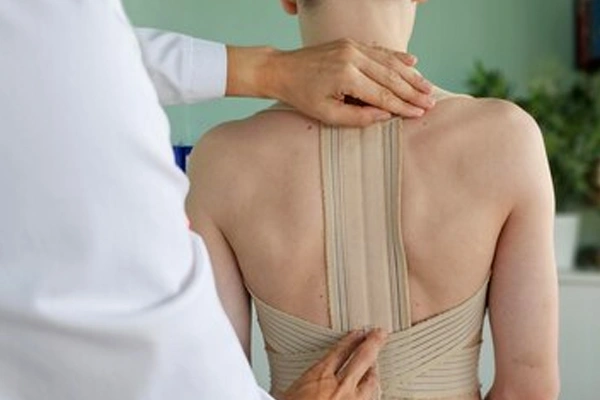
Spinal Deformity Scoliosis
Spinal deformities such as scoliosis can affect posture, balance, mobility, and overall quality of life. While mild spinal curves may not cause significant symptoms, moderate to severe deformities can lead to chronic back pain, breathing difficulties, nerve compression, and reduced physical function. Early diagnosis and appropriate treatment play a vital role in preventing progression and improving long-term outcomes. If you are looking for Scoliosis & Spinal Deformity Treatment in Sonipat, Dr. Shashikant Sen provides comprehensive evaluation and advanced treatment for children, adolescents, and adults with spinal deformities.
With over 15 years of overall medical experience, including 7 years as a Neurosurgery specialist, Dr. Shashikant Sen specializes in diagnosing and managing complex spinal disorders using modern diagnostic techniques and personalized treatment plans. Whether your condition requires observation, physiotherapy, bracing, or surgical correction, he focuses on restoring spinal alignment, reducing pain, and improving function while ensuring the best possible clinical outcomes.
Located at SH 20, Murthal Road, Sector 17, Murthal Khas, Sonipat, Haryana, Dr. Shashikant Sen offers expert care for patients with scoliosis, kyphosis, and other spinal deformities using evidence-based treatment approaches.
What is Scoliosis?
Scoliosis is a condition in which the spine curves sideways in an abnormal "S" or "C" shape. Instead of remaining straight when viewed from behind, the spine develops a lateral curvature that may worsen as a person grows.
Scoliosis can affect children, teenagers, and adults. While some cases are mild and require only monitoring, others may progress over time and require specialized treatment.
What is a Spinal Deformity?
A spinal deformity refers to any abnormal curvature or alignment of the spine. These conditions may be present from birth, develop during growth, or occur later in life due to aging, trauma, infections, or degenerative diseases.
Common spinal deformities include:
- Scoliosis
- Kyphosis (Excessive forward curvature)
- Lordosis (Excessive inward curvature)
- Congenital spinal deformities
- Degenerative spinal deformities
Early diagnosis helps prevent progression and reduces the risk of long-term complications.
Symptoms of Scoliosis and Spinal Deformity
Symptoms depend on the severity of the spinal curve and the underlying condition.
Common symptoms include:
- Uneven shoulders
- One shoulder blade higher than the other
- Uneven waistline
- One hip higher than the other
- Visible curvature of the spine
- Chronic back pain
- Neck pain
- Muscle fatigue
- Difficulty standing upright
- Reduced flexibility
- Poor posture
- Leg length imbalance
- Breathing difficulty (in severe cases)
- Numbness or weakness due to nerve compression
If you notice abnormal spinal alignment or persistent back pain, consult a spine specialist for evaluation.
Causes of Spinal Deformities
Spinal deformities may develop due to various reasons, including:
- Idiopathic scoliosis (unknown cause)
- Congenital spinal abnormalities
- Neuromuscular disorders
- Cerebral palsy
- Muscular dystrophy
- Degenerative spine disease
- Osteoporosis
- Spinal fractures
- Trauma
- Spinal infections
- Tumors affecting the spine
A detailed evaluation helps determine the exact cause and guide treatment.
Conditions Treated by Dr. Shashikant Sen
Dr. Shashikant Sen provides expert management for a variety of spinal deformities, including:
Idiopathic Scoliosis
The most common type of scoliosis, often diagnosed during adolescence.
Adult Degenerative Scoliosis
Spinal curvature that develops due to age-related degeneration of the spine.
Congenital Scoliosis
Spinal deformities present at birth due to abnormal vertebral development.
Kyphosis
An excessive forward curvature of the upper spine causing a rounded back.
Lordosis
An abnormal inward curvature of the lower spine affecting posture and movement.
Complex Spinal Deformities
Comprehensive treatment for severe spinal curvature associated with neurological symptoms and chronic pain.
Diagnosis of Scoliosis and Spinal Deformity
Accurate diagnosis is essential for planning effective treatment. Dr. Shashikant Sen performs a comprehensive evaluation that may include:
- Detailed medical history
- Physical examination
- Neurological assessment
- Spine X-rays
- MRI Scan
- CT Scan (if required)
- Curve measurement (Cobb angle)
- Postural assessment
These tests help assess the severity of the deformity and determine the most appropriate treatment.
Treatment Options
Treatment depends on the patient's age, degree of spinal curvature, symptoms, and progression of the deformity.
Observation
Small spinal curves that are not progressing may require periodic monitoring.
Physiotherapy
Targeted exercises help improve posture, flexibility, muscle strength, and spinal stability.
Bracing
Children and adolescents with moderate scoliosis may benefit from spinal braces to slow curve progression.
Pain Management
Medications and lifestyle modifications help manage pain and improve daily function.
Spine Surgery
Surgery may be recommended for severe or progressive deformities that cause pain, neurological symptoms, or functional limitations.
Modern spinal deformity surgery aims to:
- Correct spinal alignment
- Relieve nerve compression
- Stabilize the spine
- Improve posture
- Prevent further progression
Benefits of Early Treatment
Seeking timely Scoliosis & Spinal Deformity Treatment in Sonipat offers several advantages:
- Early diagnosis
- Prevention of curve progression
- Improved posture
- Better spinal alignment
- Relief from chronic pain
- Reduced nerve compression
- Enhanced mobility
- Better breathing in severe cases
- Improved confidence and quality of life
- Personalized long-term care
Early intervention often reduces the need for complex surgery and improves treatment outcomes.
Recovery and Rehabilitation
Recovery depends on the severity of the condition and the treatment provided. Dr. Shashikant Sen develops individualized rehabilitation programs that may include:
- Physiotherapy
- Strengthening exercises
- Posture correction
- Walking programs
- Flexibility training
- Pain management
- Regular follow-up assessments
Patients undergoing spinal surgery receive structured rehabilitation to support healing and restore normal function.
Why Choose Dr. Shashikant Sen for Scoliosis & Spinal Deformity Treatment in Sonipat?
Dr. Shashikant Sen provides advanced spine care with a focus on accurate diagnosis, personalized treatment, and long-term spinal health.
Patients choose Dr. Shashikant Sen because of:
- 15+ years of overall medical experience
- 7+ years as a Neurosurgery specialist
- Expertise in spinal deformity management
- Advanced spinal diagnostic evaluation
- Personalized treatment plans
- Modern spine surgery techniques
- Comprehensive rehabilitation guidance
- Compassionate patient care
- Ethical and evidence-based treatment
- Commitment to improving posture, mobility, and quality of life
His goal is to help every patient achieve a healthier spine, improved function, and a better quality of life through individualized care.
Frequently Asked Questions (FAQ)
1. What is scoliosis?
Scoliosis is an abnormal sideways curvature of the spine that can develop during childhood, adolescence, or adulthood. The severity varies from mild to severe.
2. Can scoliosis worsen with age?
Yes. Untreated scoliosis may progress over time, particularly during growth or due to age-related degeneration. Early diagnosis and regular monitoring are important.
3. Is surgery necessary for every spinal deformity?
No. Many mild and moderate cases can be managed with observation, physiotherapy, or bracing. Surgery is recommended only for severe, progressive, or symptomatic deformities.
4. How is scoliosis diagnosed?
Diagnosis involves a physical examination, neurological assessment, spine X-rays, MRI or CT scans (if needed), and measurement of the spinal curvature using the Cobb angle.
5. Can adults develop scoliosis?
Yes. Adult degenerative scoliosis can develop due to aging, arthritis, osteoporosis, or degeneration of the spinal discs and joints.
6. Can physiotherapy help scoliosis?
Yes. Physiotherapy can improve posture, strengthen spinal muscles, reduce pain, and enhance flexibility. However, it may not completely correct significant spinal curvature.


