
Brain Tumor
Brain Tumor
A brain tumor is a serious neurological condition that requires timely diagnosis and expert medical care. Whether the tumor is benign (non-cancerous) or malignant (cancerous), early evaluation and appropriate treatment can significantly improve outcomes and quality of life. Symptoms such as persistent headaches, seizures, vision problems, weakness, or changes in memory should never be ignored. If you are looking for Brain Tumor Treatment in Sonipat, Dr. Shashikant Sen offers comprehensive evaluation, advanced neurosurgical treatment, and personalized care for patients with brain tumors.
With over 15 years of overall medical experience, including 7 years as a specialist in Neurosurgery, Dr. Shashikant Sen is experienced in diagnosing and managing a wide range of brain tumors. His approach combines advanced imaging, meticulous surgical planning, and evidence-based treatment strategies to achieve the best possible outcomes while preserving neurological function.
Practicing at SH 20, Murthal Road, Sector 17, Murthal Khas, Sonipat, Haryana, Dr. Shashikant Sen is committed to providing compassionate and comprehensive care for patients and their families throughout every stage of diagnosis, treatment, and recovery.
What is a Brain Tumor?
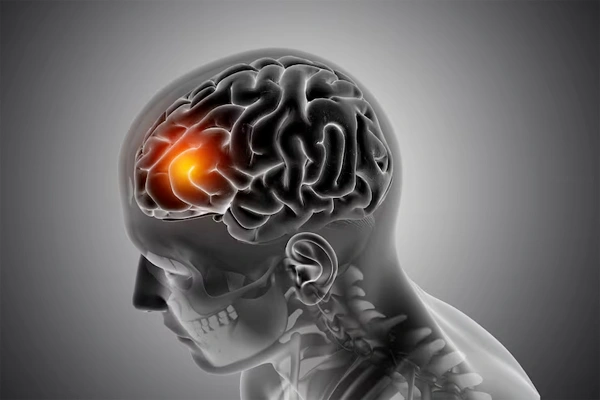
A brain tumor is an abnormal growth of cells within the brain or surrounding tissues. Brain tumors may be benign, which generally grow slowly and are less likely to spread, or malignant, which are cancerous and may grow more rapidly. Some tumors originate in the brain (primary brain tumors), while others spread to the brain from cancers elsewhere in the body (secondary or metastatic brain tumors).
As the tumor grows, it can put pressure on surrounding brain tissue, affecting important functions such as movement, speech, memory, vision, and balance. Early diagnosis and appropriate treatment are essential to minimize complications and improve recovery.
Common Symptoms of a Brain Tumor
Symptoms vary depending on the size and location of the tumor. Common signs include:
- Persistent or worsening headaches
- Seizures
- Nausea and vomiting
- Blurred or double vision
- Difficulty speaking
- Weakness or numbness in the arms or legs
- Loss of balance or coordination
- Memory loss
- Personality or behavioral changes
- Hearing problems
- Difficulty concentrating
- Confusion
- Drowsiness
- Difficulty swallowing
If you experience any of these symptoms, consult a neurosurgeon promptly for a detailed evaluation.
Causes and Risk Factors
The exact cause of most brain tumors is not known. However, certain factors may increase the risk, including:
- Genetic disorders
- Family history of certain tumors
- Previous radiation exposure to the head
- Increasing age
- Certain inherited syndromes
- Exposure to specific environmental factors (in some cases)
Most brain tumors occur without any identifiable cause.
Types of Brain Tumors Treated
Dr. Shashikant Sen provides diagnosis and treatment for various brain tumors, including:
- Meningioma
- Glioma
- Astrocytoma
- Pituitary Tumor
- Acoustic Neuroma
- Oligodendroglioma
- Ependymoma
- Medulloblastoma
- Metastatic Brain Tumors
- Benign Brain Tumors
- Malignant Brain Tumors
Each treatment plan is tailored to the type, size, and location of the tumor and the patient's overall health.
Diagnosis of Brain Tumors
Accurate diagnosis is essential for planning effective treatment. Dr. Shashikant Sen performs a comprehensive evaluation that may include:
- Detailed medical history
- Neurological examination
- MRI Brain
- CT Scan
- Contrast imaging
- Functional imaging (when required)
- Blood investigations
- Biopsy (if indicated)
These investigations help determine the exact nature of the tumor and guide the most appropriate treatment approach.
Brain Tumor Treatment Options
Treatment depends on the type, size, location, and grade of the tumor.
Observation
Small, slow-growing tumors that are not causing symptoms may be monitored with regular imaging.
Brain Tumor Surgery
Surgery is often the primary treatment to remove as much of the tumor as safely possible while preserving normal brain function.
Radiation Therapy
Radiation may be recommended after surgery or for tumors that cannot be completely removed.
Chemotherapy
Certain malignant brain tumors respond to chemotherapy, which may be used alone or in combination with surgery and radiation.
Targeted Therapy
Some patients may benefit from targeted medications based on the tumor type and molecular characteristics.
Rehabilitation
After treatment, rehabilitation may include:
- Physiotherapy
- Occupational therapy
- Speech therapy
- Cognitive rehabilitation
- Neurological follow-up
Benefits of Early Brain Tumor Treatment
Seeking timely Brain Tumor Treatment in Sonipat offers several advantages:
- Early diagnosis and intervention
- Better treatment outcomes
- Relief from neurological symptoms
- Reduced risk of complications
- Preservation of brain function
- Improved quality of life
- Personalized treatment planning
- Advanced surgical techniques
- Comprehensive rehabilitation
- Ongoing follow-up care
Early treatment often increases the chances of successful management and recovery.
Recovery After Brain Tumor Treatment
Recovery depends on the type of tumor, the treatment performed, and the patient's overall health.
Dr. Shashikant Sen provides individualized recovery plans that may include:
- Pain management
- Wound care
- Neurological monitoring
- Physiotherapy
- Speech and language therapy
- Cognitive rehabilitation
- Nutritional guidance
- Regular follow-up MRI scans
- Lifestyle modifications
With proper rehabilitation and follow-up, many patients are able to resume their daily activities and enjoy an improved quality of life.
Why Choose Dr. Shashikant Sen for Brain Tumor Treatment in Sonipat?
Dr. Shashikant Sen is dedicated to providing compassionate, patient-focused neurosurgical care supported by modern technology and evidence-based treatment.
Patients choose Dr. Shashikant Sen because of:
- 15+ years of overall medical experience
- 7+ years as a Neurosurgery specialist
- Expertise in brain tumor diagnosis and surgery
- Advanced neurosurgical techniques
- Personalized treatment plans
- Comprehensive neurological evaluation
- Focus on preserving neurological function
- Modern diagnostic facilities
- Compassionate patient care
- Long-term follow-up and rehabilitation support
His goal is to provide safe, effective, and individualized treatment that helps patients achieve the best possible clinical outcomes.
Frequently Asked Questions (FAQ)
1. What are the early signs of a brain tumor?
Common symptoms include persistent headaches, seizures, vision changes, weakness, balance problems, memory loss, and changes in behavior. These symptoms should be evaluated promptly by a neurosurgeon.
2. Are all brain tumors cancerous?
No. Brain tumors can be benign (non-cancerous) or malignant (cancerous). Both types require careful evaluation and appropriate treatment based on their size, location, and symptoms.
3. Is surgery always necessary for a brain tumor?
Not always. Treatment depends on the tumor type, size, and location. Some tumors are monitored, while others may require surgery, radiation therapy, chemotherapy, or a combination of treatments.
4. How is a brain tumor diagnosed?
Diagnosis typically involves a neurological examination, MRI or CT scan, and, in some cases, a biopsy to determine the exact type of tumor.
5. How long does recovery take after brain tumor surgery?
Recovery varies depending on the complexity of the surgery and the patient's overall health. Some patients recover within a few weeks, while others may require a longer period of rehabilitation.
6. Can brain tumors be completely cured?
Some benign brain tumors can be completely removed with surgery. The outcome for malignant tumors depends on the type, grade, location, and response to treatment. Early diagnosis and expert care improve the chances of successful management.


